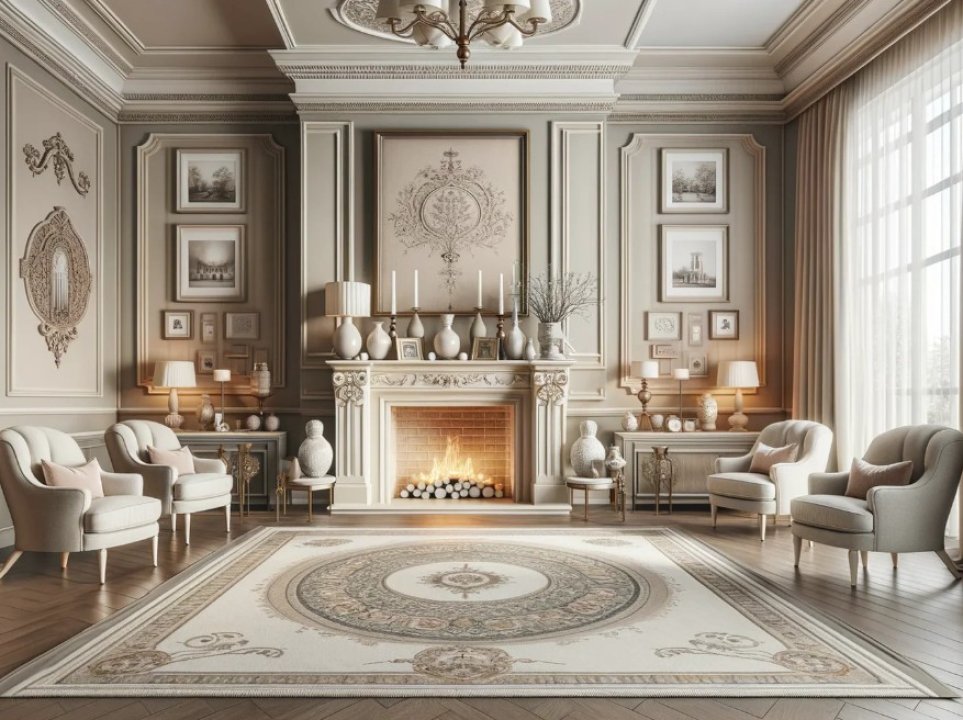
Proportion and symmetry are fundamental elements that define balance and spatial quality in luxury interiors. This guide explores how proportion shapes timeless and refined interior spaces.
In luxury interior design, aesthetic perception is shaped less by materials and more by proportion and balance. Proportion and symmetry signal intentional design and create a calm yet powerful spatial presence.
The Concept of Proportion and Spatial Perception
Proportion defines the relationship between furniture and space. The height of a sofa, the width of a table, or the placement of a lighting fixture all influence how a space is perceived. In luxury interiors, proportion is felt rather than overtly noticed.
Symmetry and Order
Symmetry introduces a sense of order and stability. In primary living areas such as living rooms and bedrooms, symmetrical layouts contribute to a controlled and serene atmosphere. Absolute symmetry is rarely required; controlled symmetry is preferred.
Conscious Use of Asymmetry
In modern luxury design, asymmetry is employed to create dynamism. This approach is deliberate and measured, not random. When balanced with symmetry, asymmetry adds contemporary character.
Scale, Repetition, and Rhythm
Repeated forms and dimensions establish rhythm within a space. This rhythm supports cohesive perception. In luxury interiors, repetition reinforces order rather than creating visual noise.
The Importance of Timeless Balance
Trend-driven designs often neglect proportion and symmetry. Timeless interiors, by contrast, rely on near-mathematical balance. This equilibrium ensures lasting relevance and value.
In conclusion, proportion and symmetry in luxury interiors are not decorative preferences but structural foundations. Balanced design enhances both aesthetic clarity and spatial integrity.