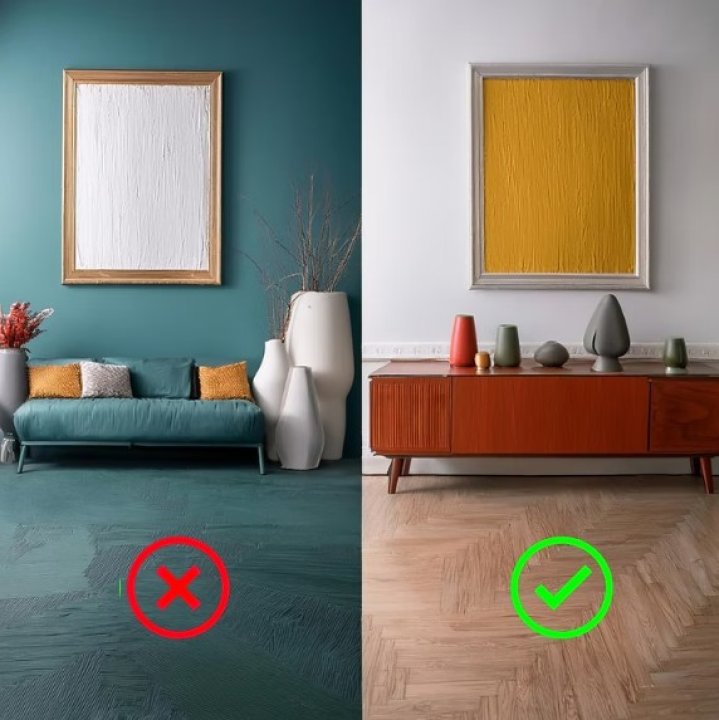
Luxury interiors can quickly lose value due to poor design decisions. This guide outlines the most common mistakes that undermine spatial quality in high-end environments.
Luxury interior design is defined not only by correct choices, but also by the conscious avoidance of mistakes. Even the finest materials and furniture can lose impact when design decisions are poorly executed. Below are the most common mistakes that reduce the value of luxury spaces.
Scale and Proportion Errors
One of the most frequent issues in luxury interiors is improper furniture scale. Pieces that are too large or too small disrupt spatial balance and diminish the room’s potential. Proportion is a fundamental element of luxury perception.
Excessive Decoration
Luxury is characterized by selectivity, not abundance. Overuse of accessories creates visual clutter and fatigue. Negative space is an active design element that enhances spatial quality when applied correctly.
Trend-Driven Decisions
Interiors built around temporary trends lose relevance quickly. Luxury spaces require a timeless design language. Trends attract attention; timelessness creates lasting value.
Improper Lighting
Insufficient or excessive lighting negatively affects overall perception. Single-source lighting flattens spatial experience. In luxury interiors, lighting should be layered and architecturally integrated.
Material Incompatibility
Combining materials without a cohesive strategy weakens spatial harmony. Luxury interiors rely on controlled and limited material palettes. Harmony is a subtle indicator of quality.
In conclusion, the value of luxury interiors is shaped not only by what is included, but by what is deliberately avoided. Conscious design decisions ensure long-term spatial integrity and value.