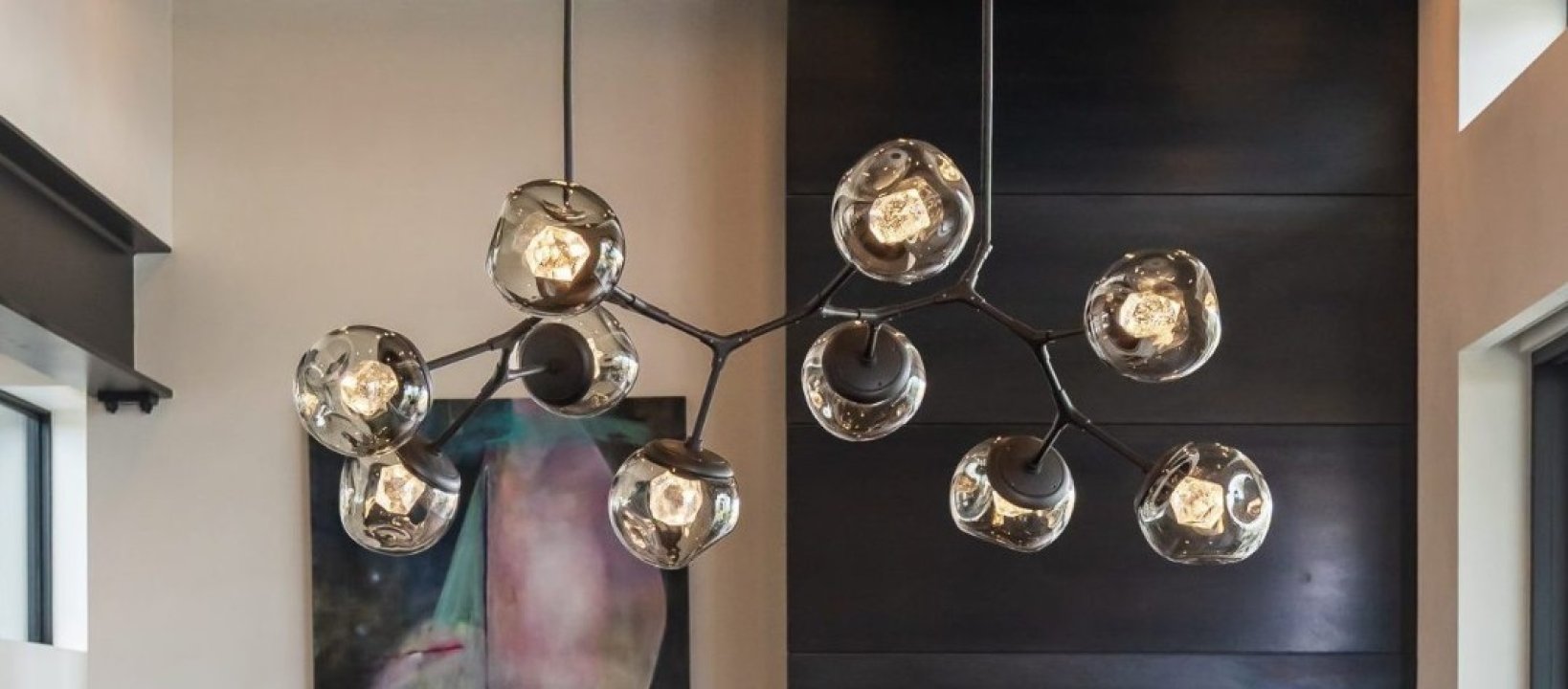
In luxury interior design, lighting is not only about visibility but about atmosphere, proportion, and perception. This guide explains how light defines spatial quality.
In luxury interior design, lighting is often underestimated despite being one of the most powerful elements shaping spatial perception. Proper lighting reveals architectural value, while poor lighting can diminish even the finest materials.
The Architectural Role of Light
Lighting does more than illuminate; it defines space. Wall surfaces, ceiling heights, and spatial depth are perceived through direction and intensity of light. In luxury interiors, lighting functions as a quiet architectural tool.
Layered Lighting Approach
Relying on a single light source results in flat and uninspiring environments. Luxury interiors employ a layered approach, combining ambient, accent, and task lighting. These layers create depth and a controlled atmosphere.
Light Levels and Comfort
Excessive brightness or insufficient lighting disrupts spatial comfort. Light intensity must be balanced according to function. In living spaces, soft and adjustable lighting enhances comfort and usability.
Interaction Between Light and Materials
Light works in harmony with materials. Matte surfaces soften illumination, while glossy finishes reflect it. In luxury interiors, this interaction is carefully orchestrated so that light enhances material character.
Creating a Timeless Atmosphere
Trend-driven lighting fixtures age quickly, whereas well-planned lighting schemes offer timeless appeal. Light should support the space, not compete for attention.
In conclusion, lighting in luxury interiors is not a decorative afterthought but a fundamental component of spatial quality. When applied correctly, lighting defines space and elevates its value.