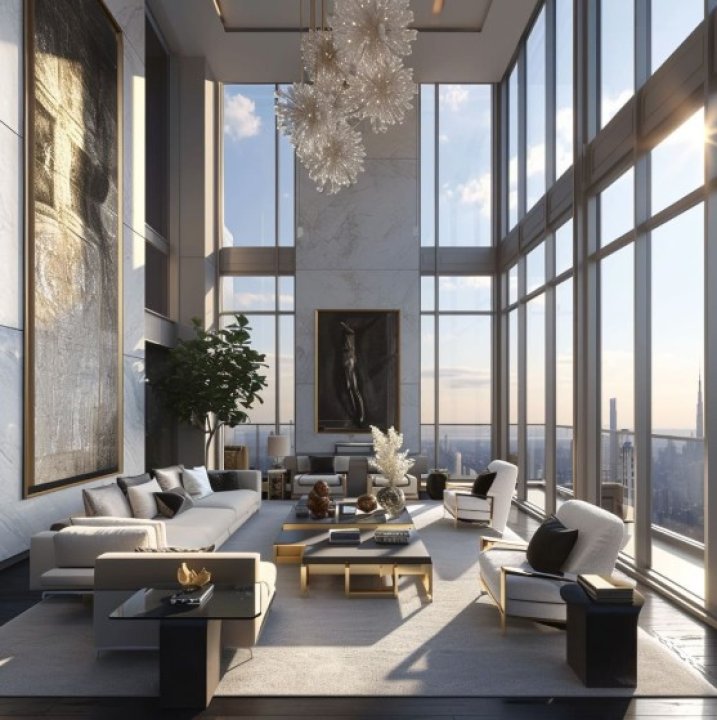
In luxury interior design, furniture is not decorative but architectural. This guide explores how furniture defines space as an integral part of interior architecture.
In luxury interior design, furniture is not an element added after architecture is complete. It is a fundamental component that should be considered alongside architectural planning. Viewing furniture as an architectural element strengthens spatial cohesion and design depth.
Furniture and Architectural Continuity
Just as walls, floors, and ceilings form a cohesive architectural system, furniture should integrate seamlessly into this structure. When furniture forms align with architectural lines, the interior achieves visual consistency.
Defining Space Without Walls
Furniture creates invisible boundaries within interiors. In open-plan spaces, seating groups, consoles, and storage units define zones without the need for physical walls. This approach enhances architectural flexibility.
Scale and Structural Presence
Architectural furniture establishes a direct relationship with spatial scale. Horizontal forms balance high ceilings, while controlled volumes suit compact spaces. Furniture should support spatial proportions rather than compete with them.
Fixed and Semi-Fixed Elements
In luxury interiors, certain furniture pieces become integrated architectural components. Built-in wardrobes, wall-integrated units, and custom designs introduce permanence and structural clarity.
A Timeless Architectural Language
Treating furniture as architecture creates a design language independent of trends. This language ensures long-term relevance and reinforces furniture as an extension of architecture rather than decoration.
In conclusion, considering furniture as an architectural element in luxury interiors requires spatial awareness beyond aesthetics. This perspective transforms interiors from temporary arrangements into enduring architectural experiences.